
Tanouye Roshi was fascinated by Sun Tzuʻs Art of War, using it frequently when speaking with people in business. This latest offering in the series "Tanouye Roshi Teaches" is an edited transcript of a seminar that he presented in 1983, covering the first six chapters of the text. You get the impression that he is speaking directly with Sun Tzu, describing the many misinterpretations that have arisen as the text has been translated into English. You will come away with a fresh way to consider the original text.
This work is an edited transcript of a teisho presented by Tanouye Roshi many decades ago. It centers on the poem “Zazen Wasan” by the great 18th century Japanese Zen master Hakuin, known as the man who rescued the essence of Rinzai Zen Buddhism from its formulaic entrapment. Tanouye Roshi often taught from this poem, the source of two of his favorite stories: "Enyadatta, the woman who lost her head” and “the rich manʻs son.” But, as always, Tanouye Roshi isnʻt really talking about the poem. He is talking about you.
We have begun editing a number of transcripts and audio files from talks presented by Tanouye Tenshin Roshi, founder of Chosei Zen. This book collects four such talks, three of them emphasizing the physicality of our style of training, and one of them an informal lecture on cooking in a Zen monastery. There is also an essay annotating the layers of meaning behind Japanese terms used in traditional training with a sword
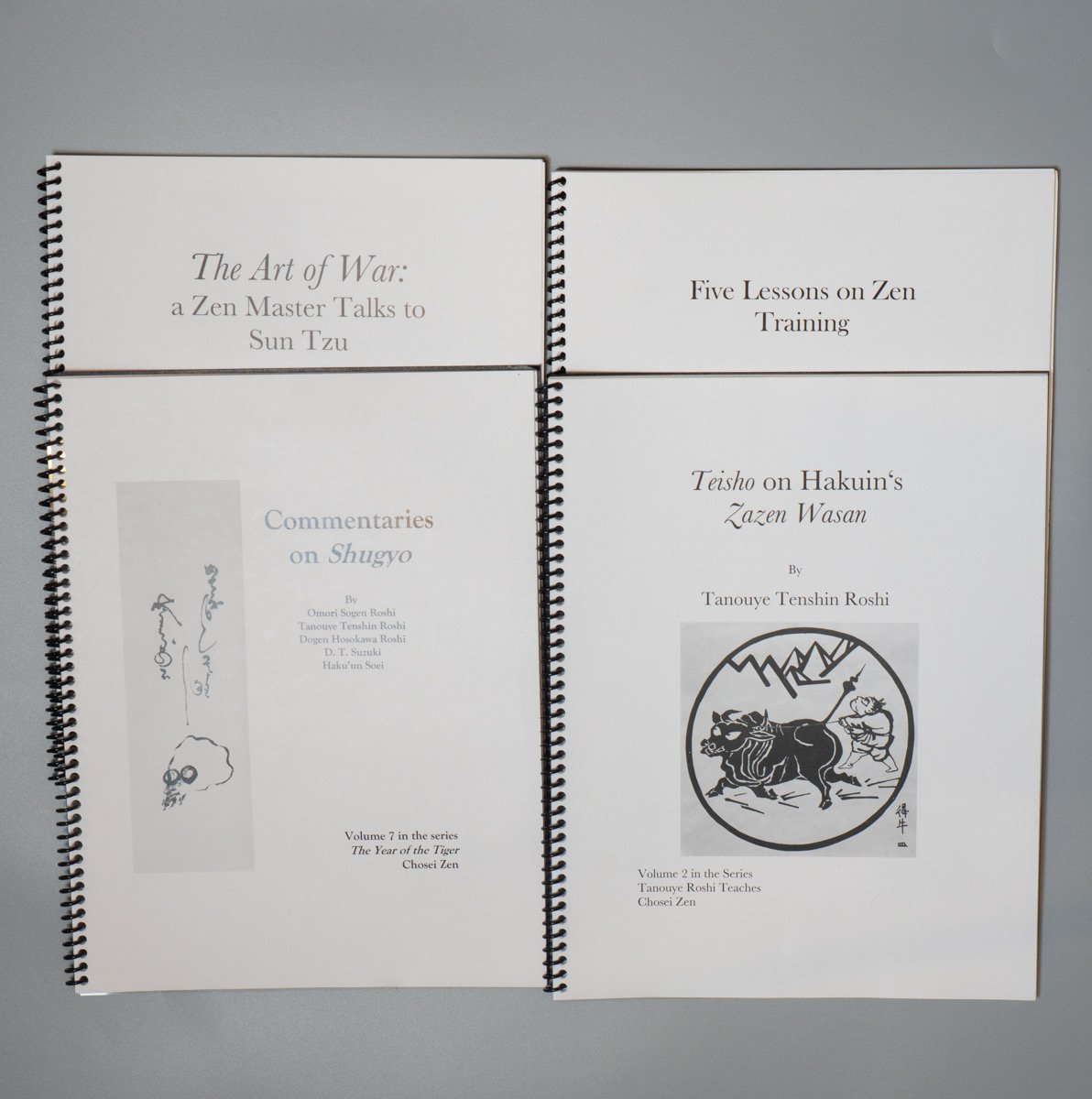
This bundle includes four books at reduced price: Five Lessons on Zen Training, Teisho on Hakuin’s Zazen Wasan, The Art of War, and Commentaries on Shugyo. All four were edited by Gordon Greene Roshi from talks given by Tanouye Roshi in the 1980s. Greene Roshi also provides commentary on the texts.
No results match your search. Try removing a few filters.


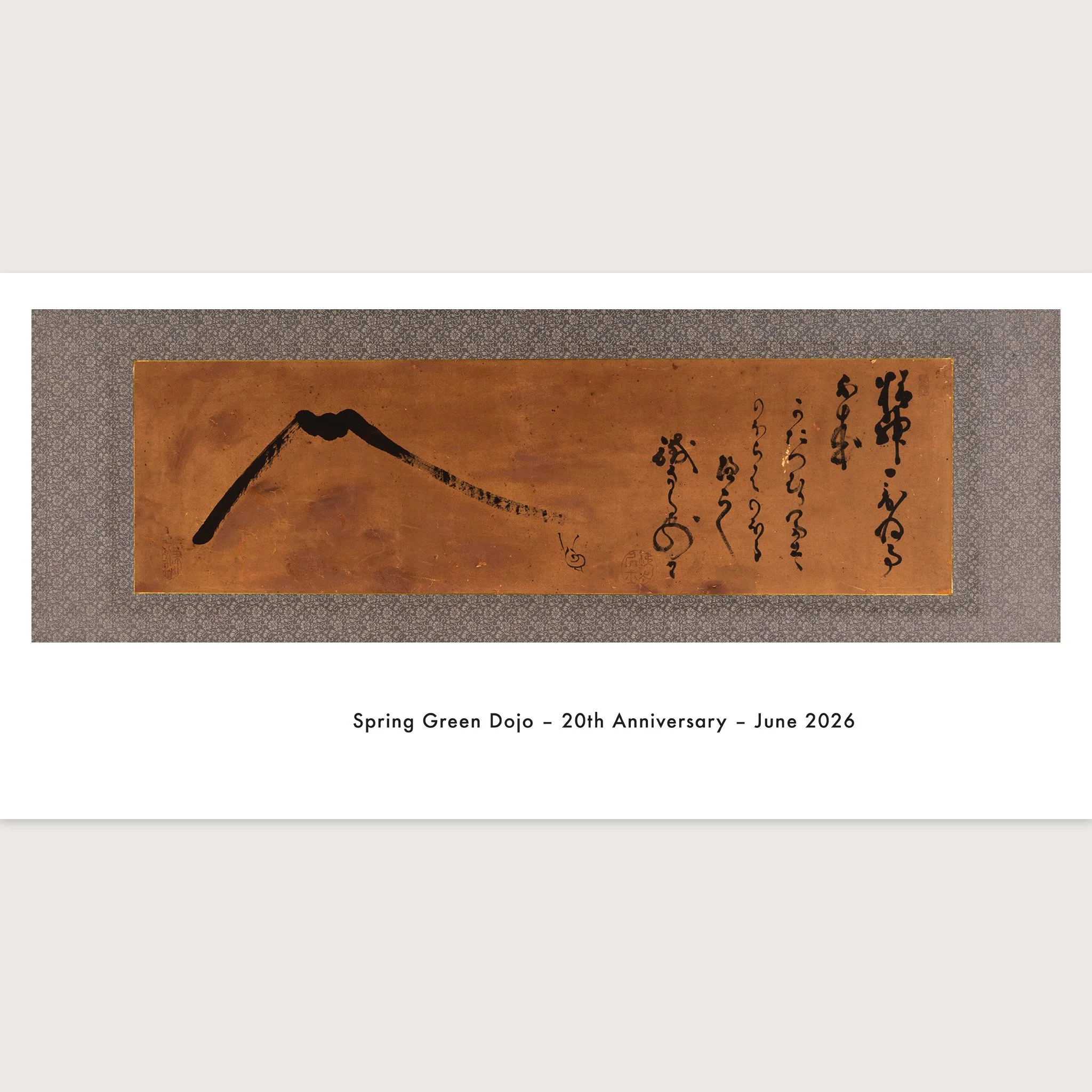
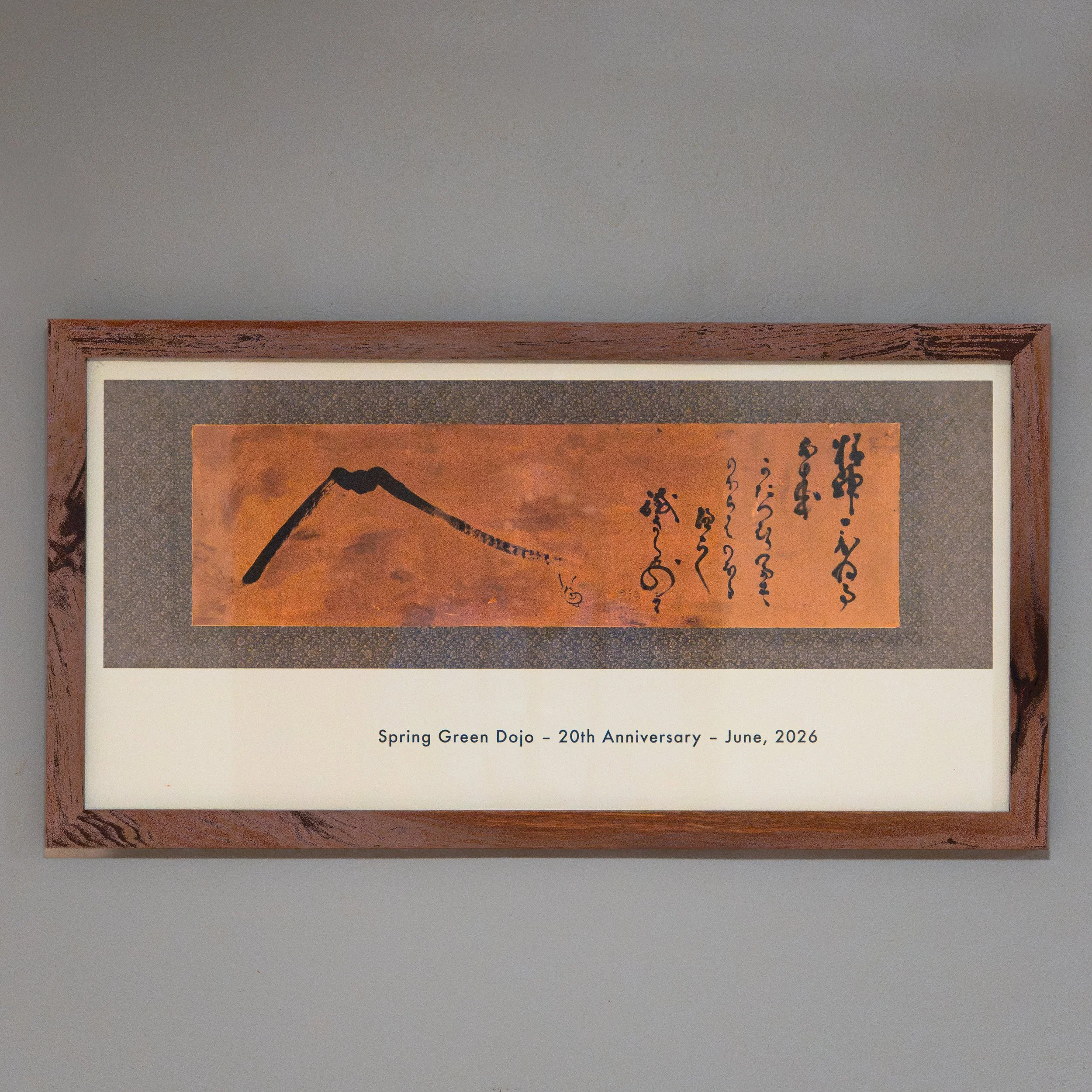

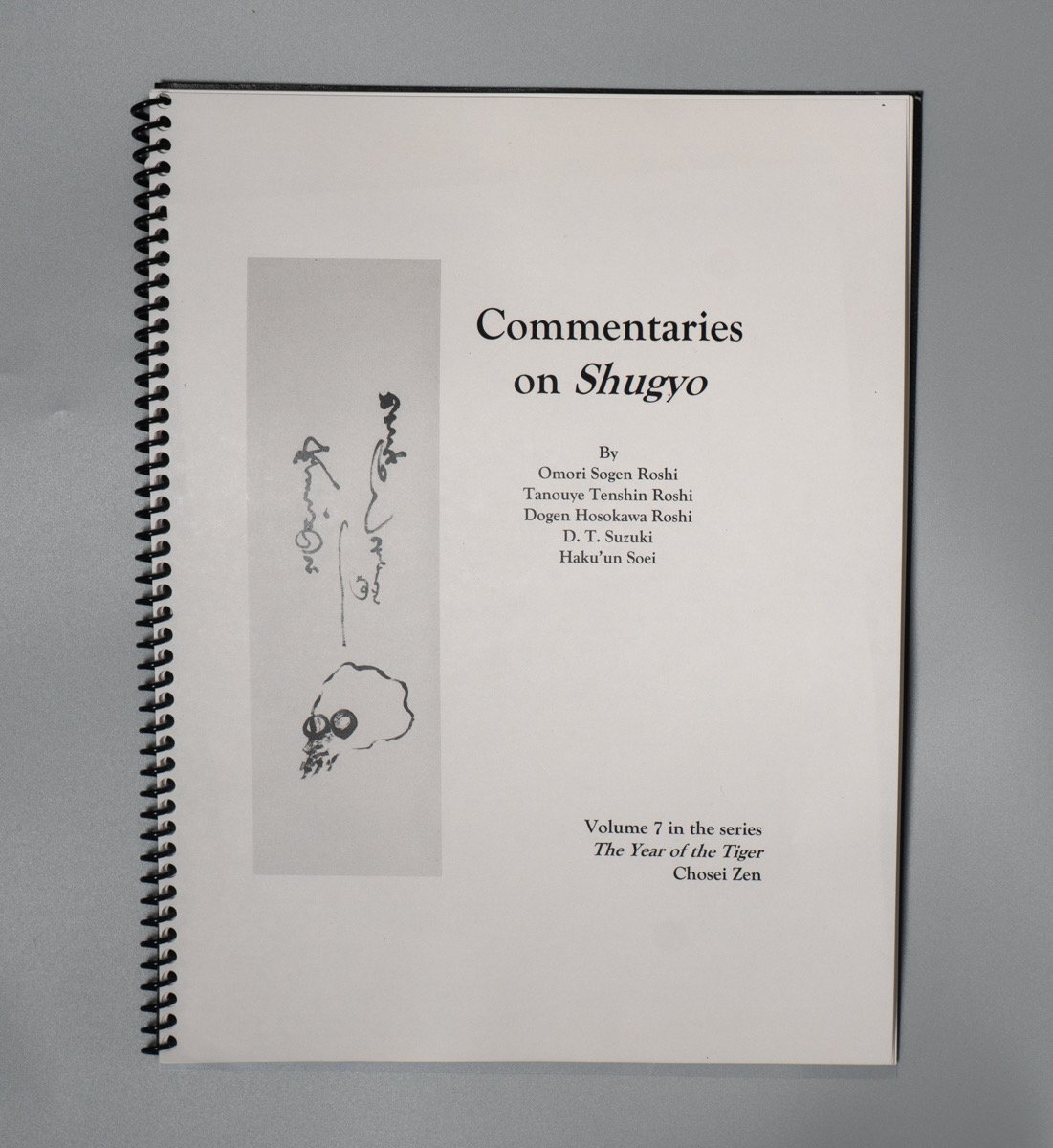






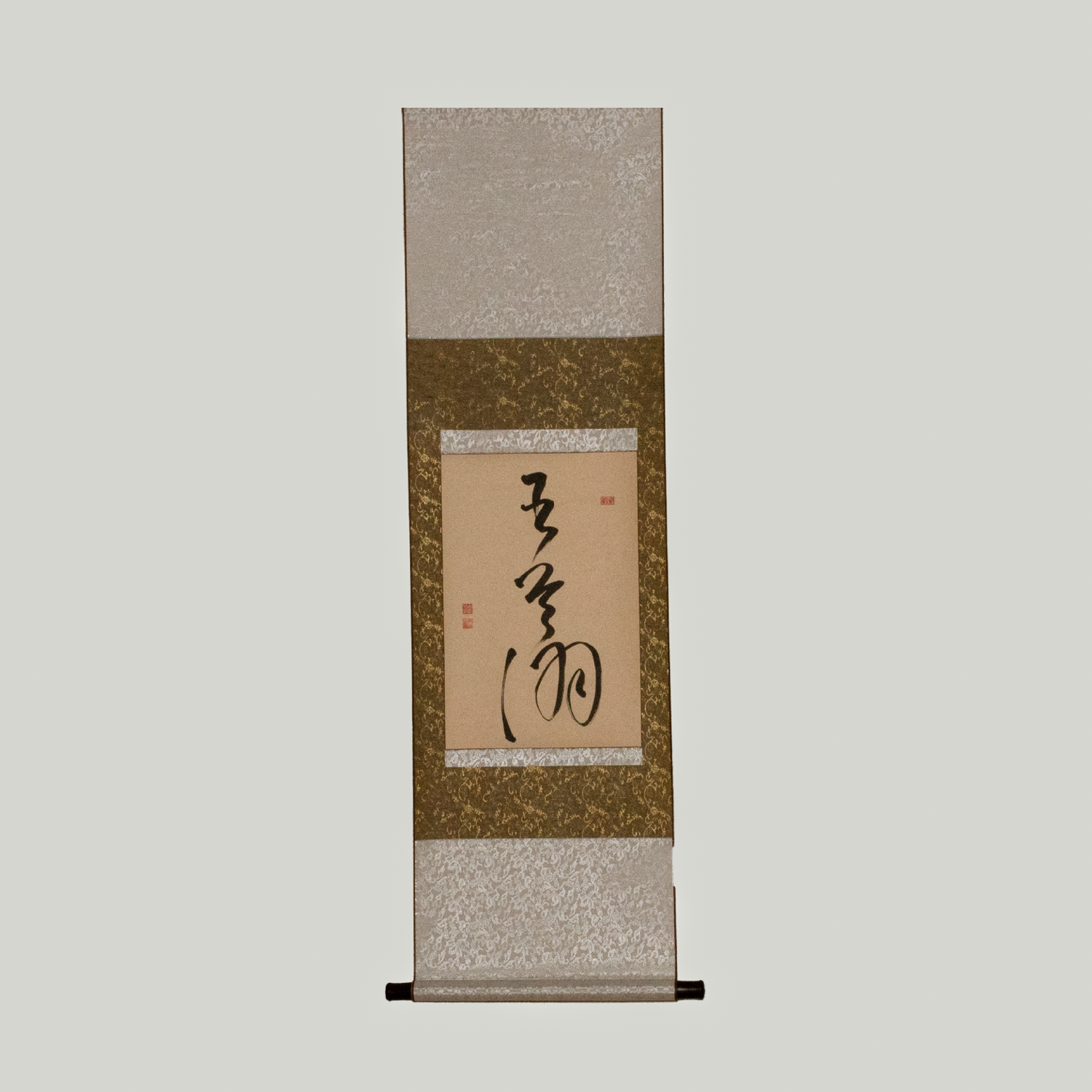


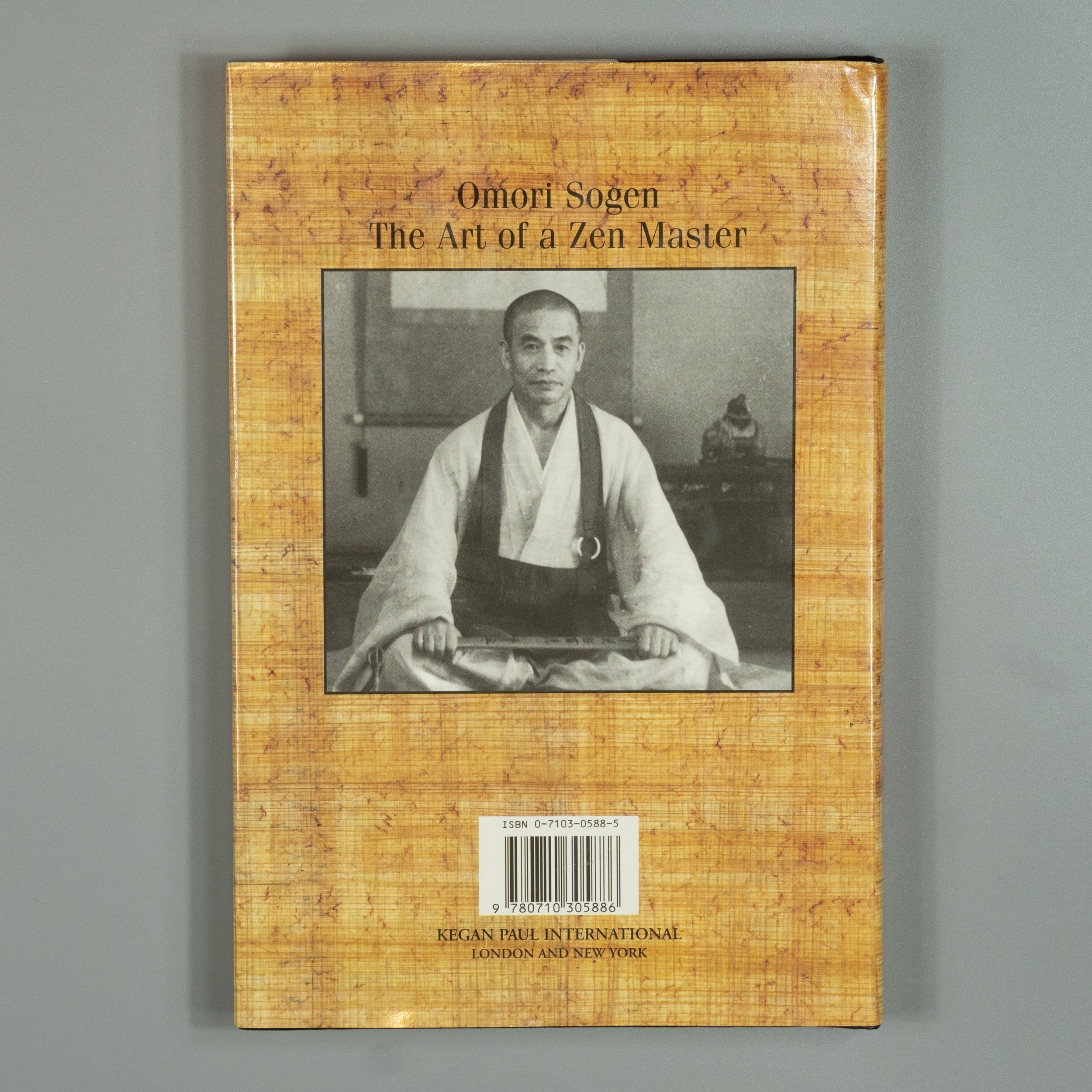
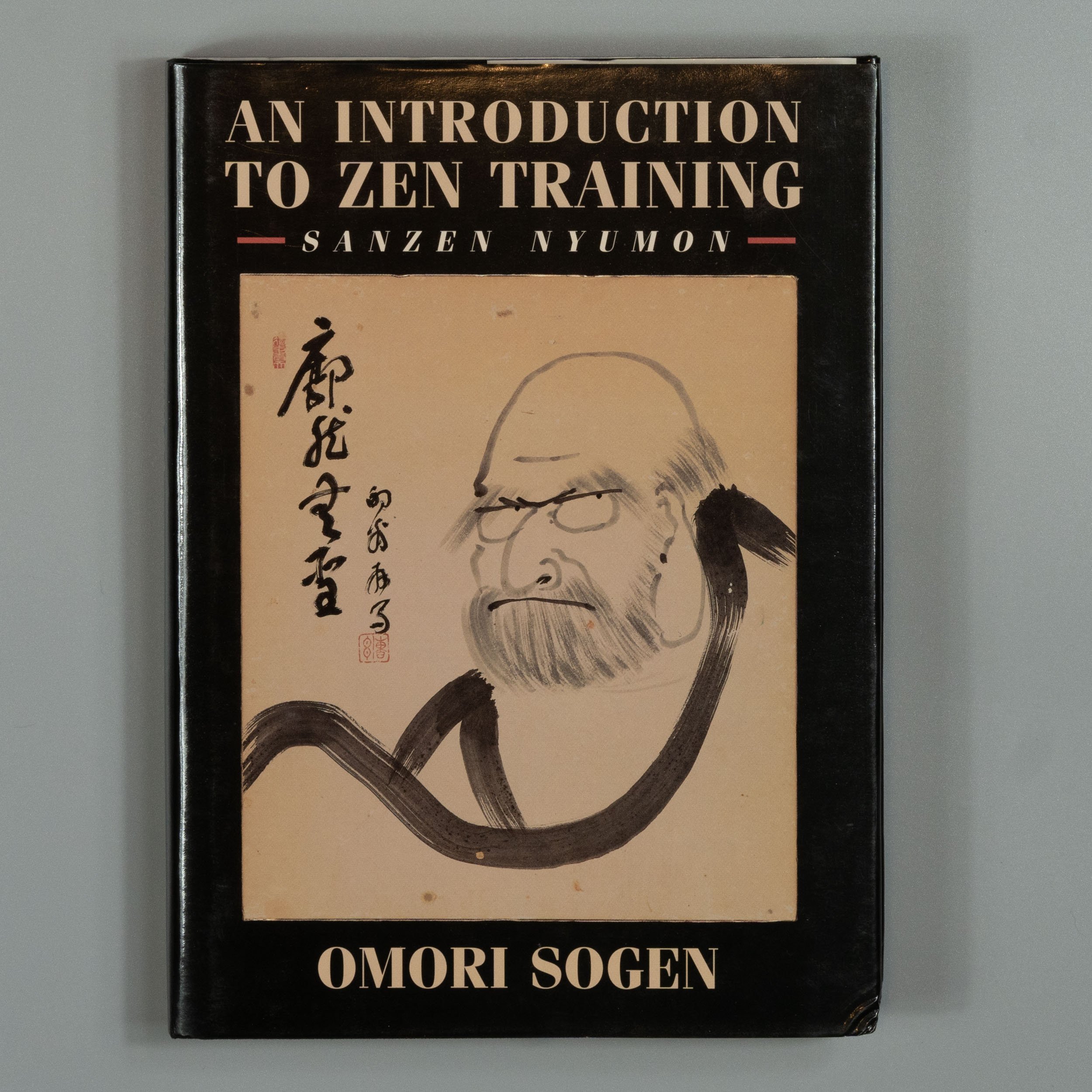


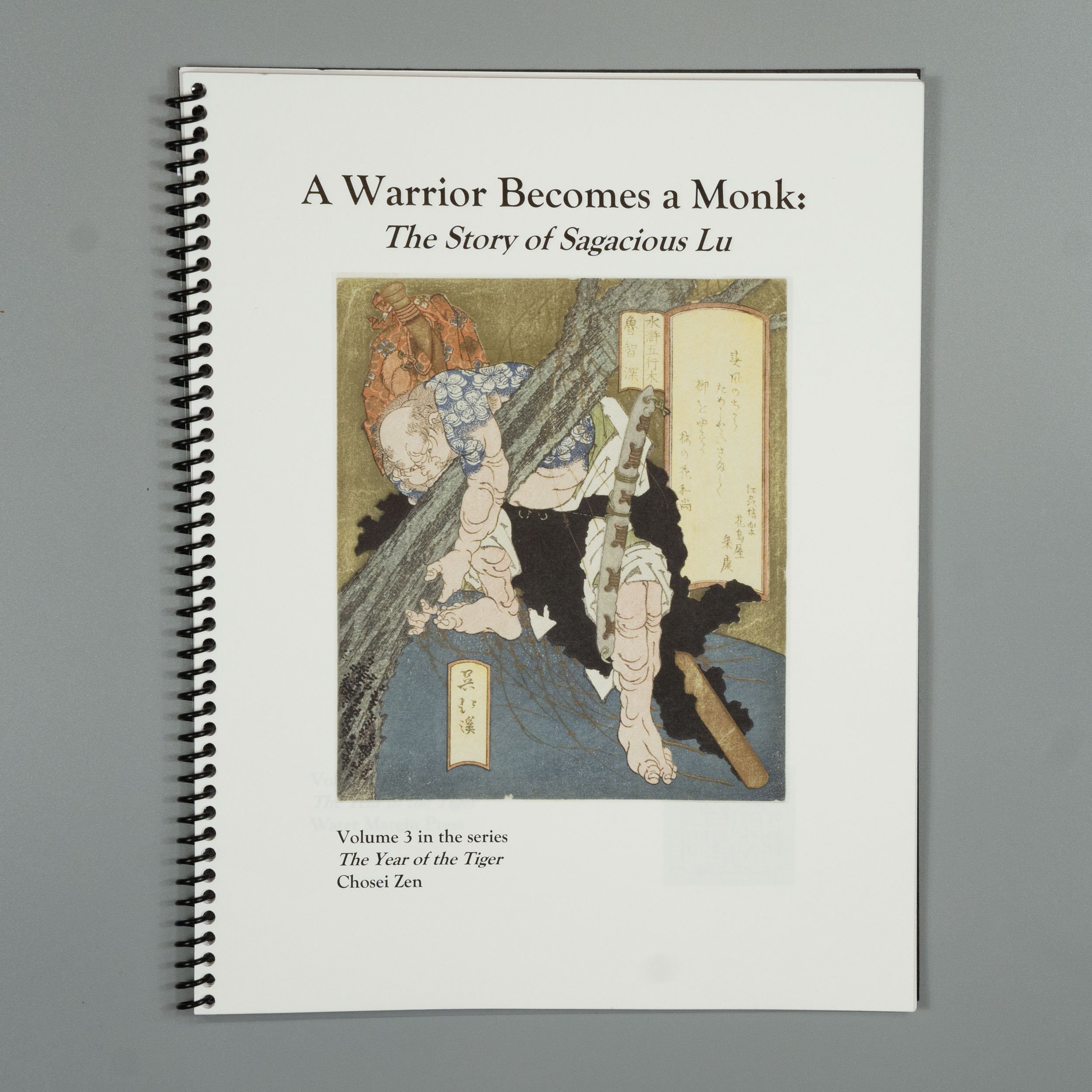




Tanouye Roshi would translate the word “shugyo” as “spiritual self-discipline” but in a non-Asian context that phrase doesn’t come close to describing the intensity of effort involved. This collection of commentaries is meant to provide descriptions of shugyo in the context of Japanese martial art training. The essays includes one by Tanouye Roshi about the role of shugyo in Zen training as well as a closing chapter discussing the meaning of shugyo as one ages.