
Compelled to Persist
I have been practicing Zazen with the Chosei Zen Virtual Dojo for about three years. While I occasionally attend training at Daikozenji in Madison, distance prevents me from participating regularly.
Last September, my Zen training came into sharp focus after a serious car accident. As I entered a busy intersection, a sedan struck the driver’s side of my car at highway speed. The impact rolled my car and pushed it into a cement truck, all in less than a minute.
I was alone in the car. No one died, but I sustained the most severe injuries. My pelvis was broken in five places, along with fractures in my neck and lower back. After surgery, I moved from the trauma unit to rehab, and then to home health care with physical therapy. Recovery took six months of steady, patient effort. Step by step, my body healed.
This year’s Chosei Zen fundraiser focuses on resilience—how Zen training supports us in meeting difficulty, adapting to challenge, and continuing forward with clarity and strength. In my training, I’ve learned that key tools of Zen practice include breath and posture, concentration and awareness, and sincere intention. These have been challenging to develop over time, and I believe they were essential during my recovery.
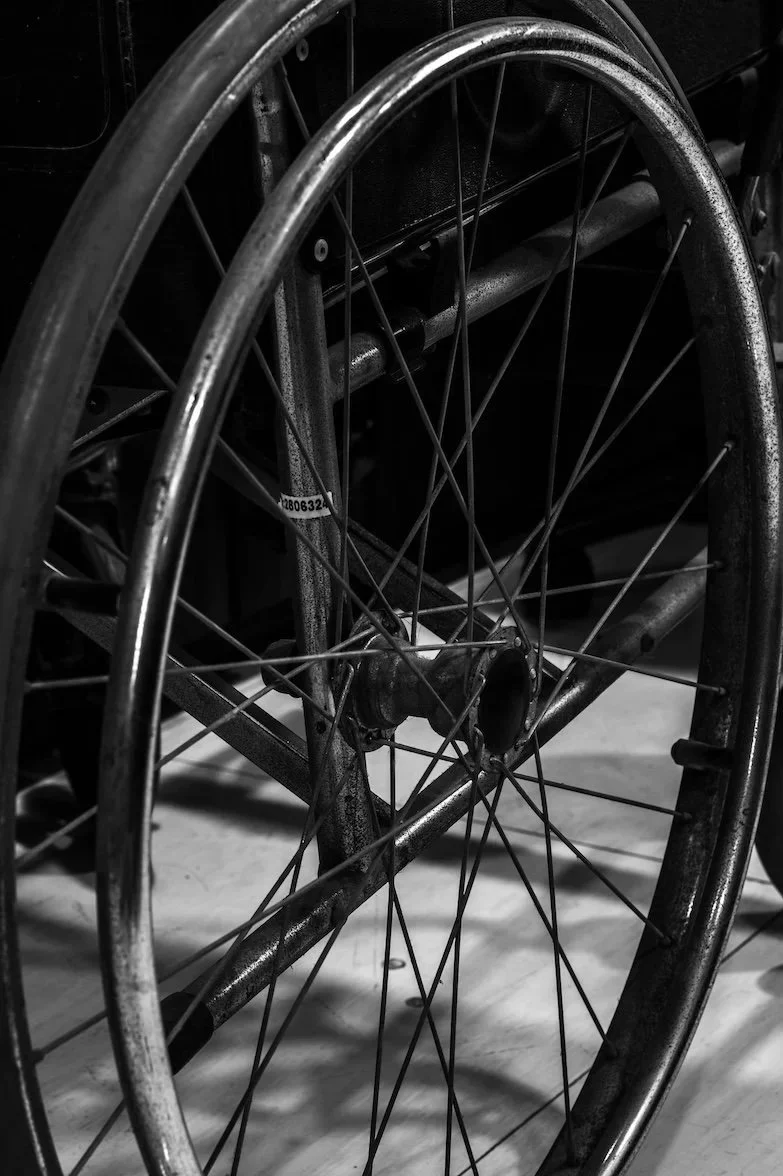
At first, I could do little more than lie still, manage pain, and breathe. Gradually, I began practicing hara breathing while sitting upright in bed, using slow exhales to calm my mind. By late December, I rejoined the Morning Zazen group, sitting in a wheelchair.
Physical therapy began the day after surgery. At first, I moved by lifting myself on a walker and swinging one leg forward. Weeks later, I caught sight of myself in a mirror: I was hunched over the walker with my head forward, panting for breath. I knew I could do better than that! By lowering my shoulders and center of gravity, I was able to straighten my posture and correct my breathing. I had much better energy as a result.
As a chronic multitasker, I often struggle to sustain awareness. In meditation, I practice 180-degree vision—softening my gaze while remaining present to my surroundings. During recovery, I worked not to dwell on the accident or project into the future. Instead, I met each moment as it came. From my room, I watched the changing leaves and found a quiet sense of alignment with what was unfolding.
Sincere intention is the most difficult of these tools to describe, because it points beyond outcomes. Greene Roshi once wrote, “While intense life experiences could challenge one severely, the uncomfortable question is: did you persist without the need to survive?” I cannot answer that question with certainty. But I do know that something in me was compelled to persist—and that my training helped me to act upon that impulse.